Dense-Pack Insulation for Agricultural Structures
Cellulose Attic Blow-In in Tracy for hog barns and agricultural buildings where moisture management affects insulation longevity
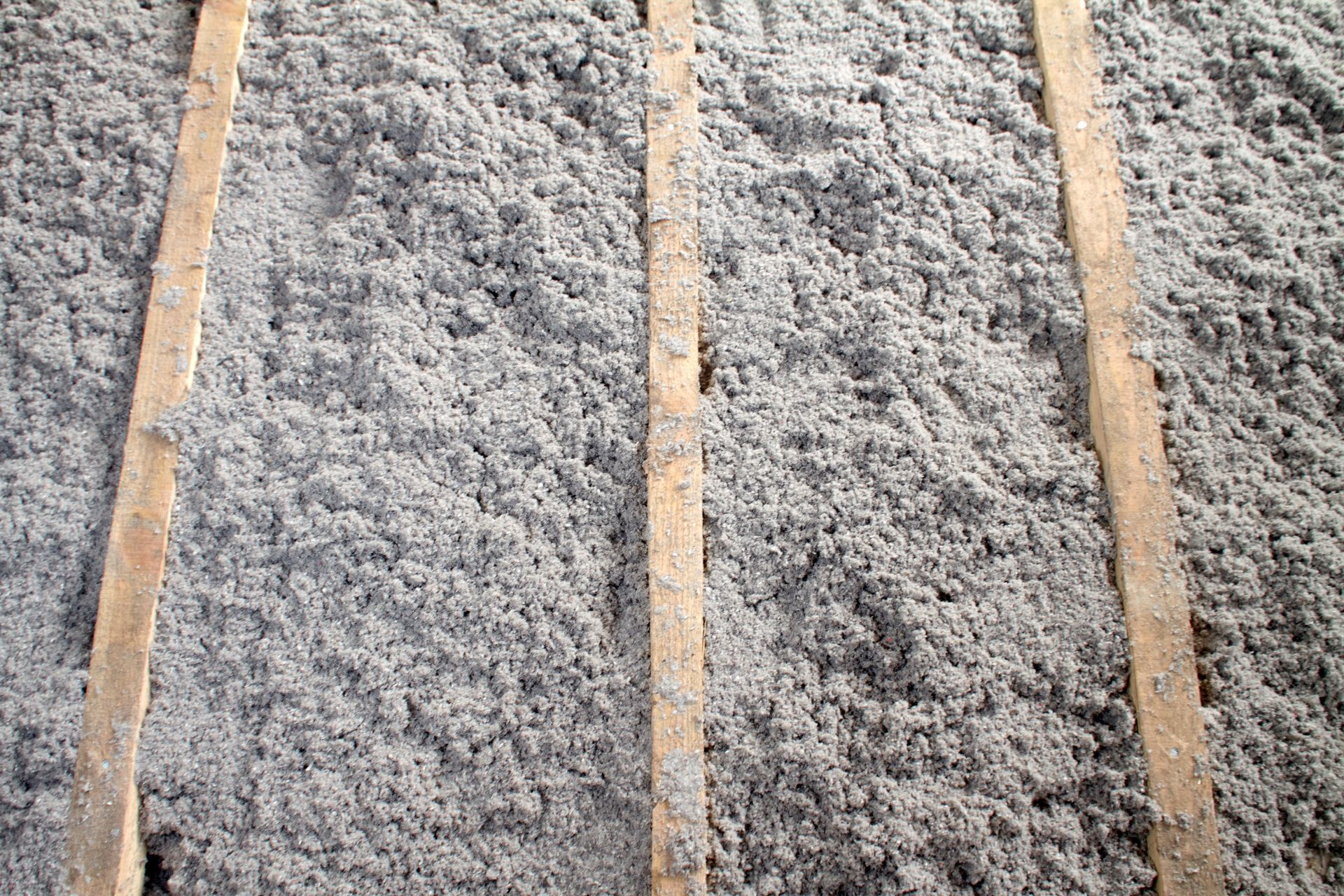
Southwest Minnesota's spring thaw conditions create humidity swings inside agricultural buildings that challenge insulation materials not designed to handle moisture exposure without losing R-value or supporting mold growth. Cellulose installed at R40 density using 12 inches of material provides the thermal performance hog barns need while managing the moisture that accumulates in enclosed livestock facilities during winter months when ventilation rates drop to conserve heat. Gilbertson Spray Foam installs blown cellulose primarily for new agricultural construction where the material's settling resistance and moisture-handling properties align with farming operations' specific building requirements, serving properties across Southwest Minnesota where agricultural structures outnumber residential applications for this insulation type.
The installation process uses self-contained mobile equipment that blows cellulose to the density needed to prevent settling over time, packing the material into attic spaces or wall cavities where it conforms to framing irregularities and mechanical penetrations. Proper density installation distinguishes cellulose that maintains R40 performance for decades from cellulose that compresses and loses effectiveness within years, which matters when you're insulating a barn that needs to maintain interior temperatures for livestock health or equipment protection.
Request an on-site consultation to evaluate your agricultural building's insulation needs and determine whether cellulose addresses your specific moisture and thermal requirements.
How Cellulose Addresses Agricultural Insulation Challenges
Cellulose's fiber structure absorbs and releases moisture without losing insulating value the way fiberglass does when it becomes saturated, which explains why it performs better in hog barns where humidity levels fluctuate with animal occupancy and ventilation rates. The material is treated with borates that provide fire resistance and discourage rodent nesting, addressing two concerns that affect agricultural buildings more than residential structures. Installation at 12-inch depth achieves R40 performance, providing the thermal barrier needed to reduce heating costs in buildings that often cover thousands of square feet.
You'll notice that interior building temperatures stabilize after cellulose installation, reducing the temperature swings that stress livestock and require constant heater adjustments during cold snaps. The insulation remains in place at its installed density because the material is blown at the compaction level needed to resist settling under its own weight, unlike loosely installed cellulose that compresses over time and creates thermal gaps at the top of wall cavities or attic spaces.
The work accounts for ventilation pathways and equipment clearances specific to agricultural buildings, where insulation must accommodate fans, heaters, and feeding systems without blocking airflow or creating fire hazards around electrical equipment. This female-owned business brings specialized knowledge of agricultural insulation needs to projects across the farming community, understanding how barn construction differs from residential work in both execution and performance requirements.
Answers to Frequent Service Questions
Agricultural property owners typically ask about cellulose performance before committing to installation, particularly when comparing it to fiberglass or foam options for their specific building type and use.
Why is cellulose recommended for hog barns specifically?
Cellulose handles the high humidity levels that hog operations generate better than fiberglass, which loses R-value when moisture condenses in the insulation, and costs less than spray foam while still providing adequate thermal performance for agricultural heating requirements.
What does proper density installation prevent?
Installing cellulose at correct density prevents the settling that reduces insulation thickness over time, maintaining the R40 value that keeps heating costs predictable rather than watching thermal performance degrade as the material compresses and exposes framing to temperature extremes.
How does the blowing equipment reach large agricultural buildings?
The mobile self-contained equipment includes extended hoses that reach from the truck-mounted blower to installation locations throughout large barn structures, eliminating the need to move equipment inside or coordinate multiple setups for buildings that span several thousand square feet.
When should cellulose be installed during new construction?
Cellulose goes in after roofing and exterior sheathing are complete but before interior finishes, allowing the material to be blown into open cavities without risk of weather exposure and ensuring that it fills spaces completely before drywall or metal panels cover framing.
What maintenance does cellulose insulation require after installation?
Cellulose requires no ongoing maintenance once installed at proper density, maintaining its thermal performance without needing replacement or supplementation unless building modifications expose it to weather or the structure sustains damage that compromises the building envelope.
Gilbertson Spray Foam operates with over three years of experience serving farming operations across Southwest Minnesota, bringing insured installation services and equipment designed for the scale and requirements of agricultural construction. Schedule a project discussion to review your barn insulation specifications and receive detailed recommendations for your building's thermal performance goals.