Airtight Building Envelopes That Handle Polar Vortex
Spray Foam Insulation in Tracy for structures exposed to Southwest Minnesota's extreme temperature swings and moisture intrusion
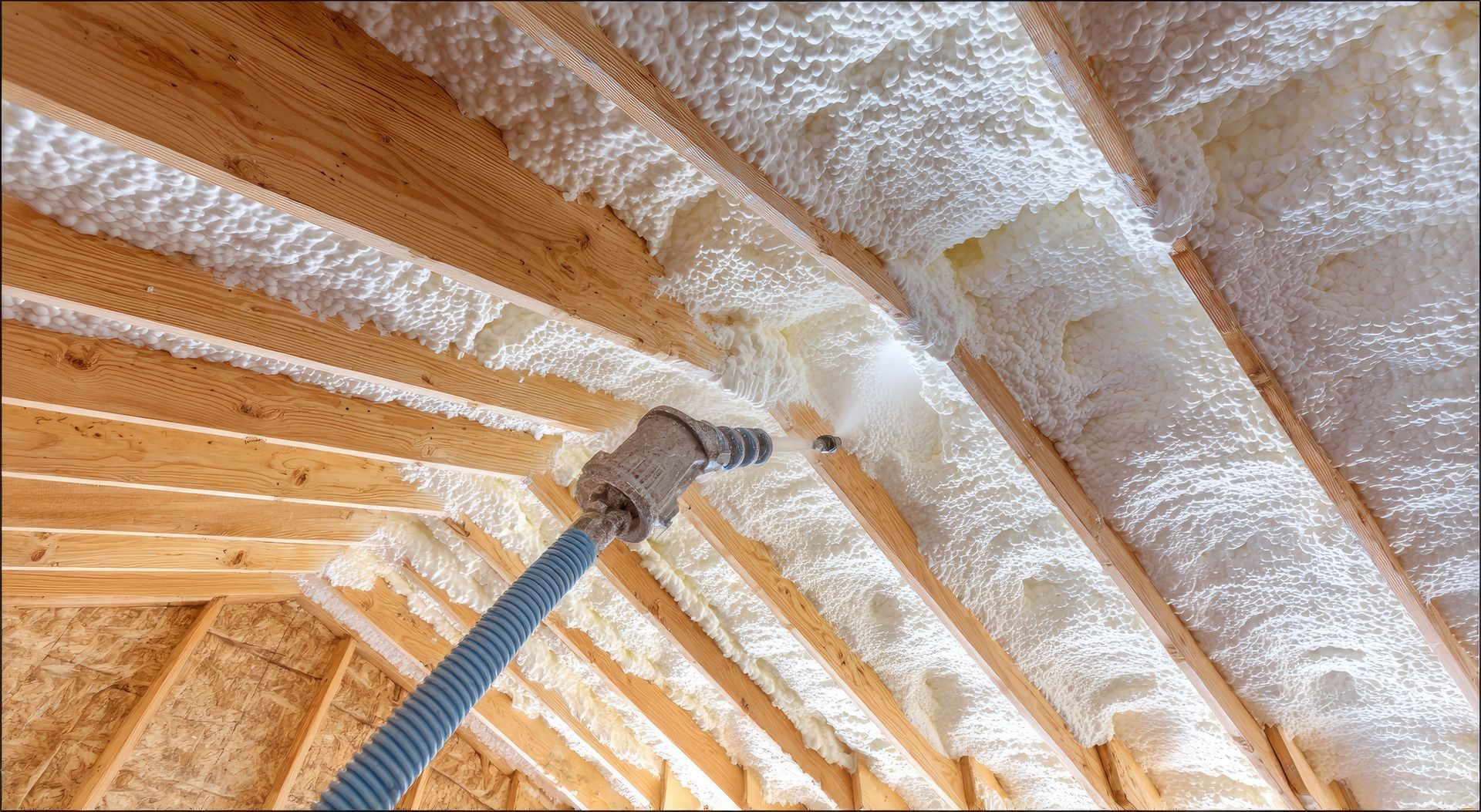
Gilbertson Spray Foam installs 2-pound closed cell foam distributed by NCFI across residential and agricultural properties in Tracy, addressing the air leakage and thermal bridging that compromises building performance during Minnesota's harshest winter conditions. You'll see this work applied to fish houses that sit on frozen lakes, pole barns storing temperature-sensitive equipment, crawl spaces vulnerable to freeze-thaw cycles, and new construction where builders want air sealing and insulation completed in a single application. The closed cell structure stops both air movement and moisture penetration, which matters when January temperatures drop below zero and stay there for weeks.
The application process uses self-contained mobile equipment that brings the spray rig directly to your property, mixing the two-part foam on-site and distributing it at controlled pressure to fill cavities completely. Before any foam goes up, a moisture inspection identifies existing water intrusion or condensation issues that would compromise adhesion or long-term performance. The foam expands to fill irregular spaces around electrical penetrations, plumbing runs, and framing gaps that fiberglass batts leave exposed, creating a continuous thermal barrier that also functions as an air barrier and vapor retardant in a single layer.
Schedule a property evaluation to assess where air leakage currently occurs and determine the foam thickness needed for your application.
Why Closed Cell Foam Works for Agricultural Buildings
The 2-pound density of closed cell foam provides structural rigidity that open cell foam cannot match, which matters when you're insulating a barn wall that flexes with wind load or a crawl space ceiling that supports floor joists. The foam adheres to steel siding, wood framing, and concrete block equally well, creating a monolithic barrier that doesn't sag, settle, or leave gaps over time. Each application is customized to the substrate condition and the R-value target, with thickness varying based on whether you're insulating a roof deck, an exterior wall, or a rim joist assembly.
Once the foam cures, you'll notice that interior spaces hold temperature consistently without the drafts that signal air infiltration through traditional insulation systems. Gilbertson Spray Foam completes the installation with attention to edge details where foam meets framing or transitions to other building materials, ensuring that thermal performance doesn't degrade at connection points. Condensation stops forming on cold surfaces because the foam raises the interior surface temperature above the dew point, preventing the moisture accumulation that leads to mold growth or wood rot in rim joists and band boards.
The work includes cleanup of any overspray and trimming of foam that expands beyond the intended application area, leaving surfaces ready for drywall installation or left exposed in agricultural buildings where appearance matters less than function. Contractors across Southwest Minnesota specifically recommend this female-owned operation for thoroughness in preparation and installation, particularly when working on projects where insulation performance directly affects livestock comfort or equipment storage conditions.
Questions About Foam Insulation for Your Property
Property owners in Tracy often ask about foam application before committing to the installation, particularly when comparing it to traditional fiberglass or cellulose options for their specific structure.
What makes closed cell foam different from open cell foam for Minnesota applications?
Closed cell foam provides a higher R-value per inch, functions as a vapor barrier, and adds structural rigidity to the building assembly, which matters during extreme cold when open cell foam's moisture permeability can allow condensation issues in wall cavities.
How does the mobile equipment setup work for rural properties?
The self-contained spray rig arrives at your property with all mixing equipment, hoses, and protective materials on board, requiring only electrical power to operate and eliminating the need for you to transport materials or coordinate multiple deliveries.
When should spray foam be applied instead of blown-in insulation?
Spray foam works best for applications requiring air sealing and insulation simultaneously—rim joists, crawl space ceilings, cathedral ceilings, and walls where eliminating air movement matters as much as adding R-value.
What preparation happens before the foam application begins?
The moisture inspection identifies any existing water intrusion, roof leaks, or plumbing issues that need correction before foam installation, and surfaces are cleared of debris or loose material that would prevent proper adhesion to the substrate.
How long does the installed foam take to cure fully?
The foam becomes tack-free within minutes and reaches full cure within 24 hours, allowing you to proceed with construction or finish work the day after application without waiting for extended drying periods that delay project timelines.
Gilbertson Spray Foam brings over three years of insured installation experience to residential and agricultural projects across Southwest Minnesota, with equipment and expertise to handle structures from fish houses to new construction. Request a project consultation to discuss your insulation requirements and receive a detailed scope of work for your specific application.