Complete Attic Cleanout for Fresh Starts
Insulation Removal in Tracy for attics compromised by rodent damage, moisture contamination, or material failure requiring replacement
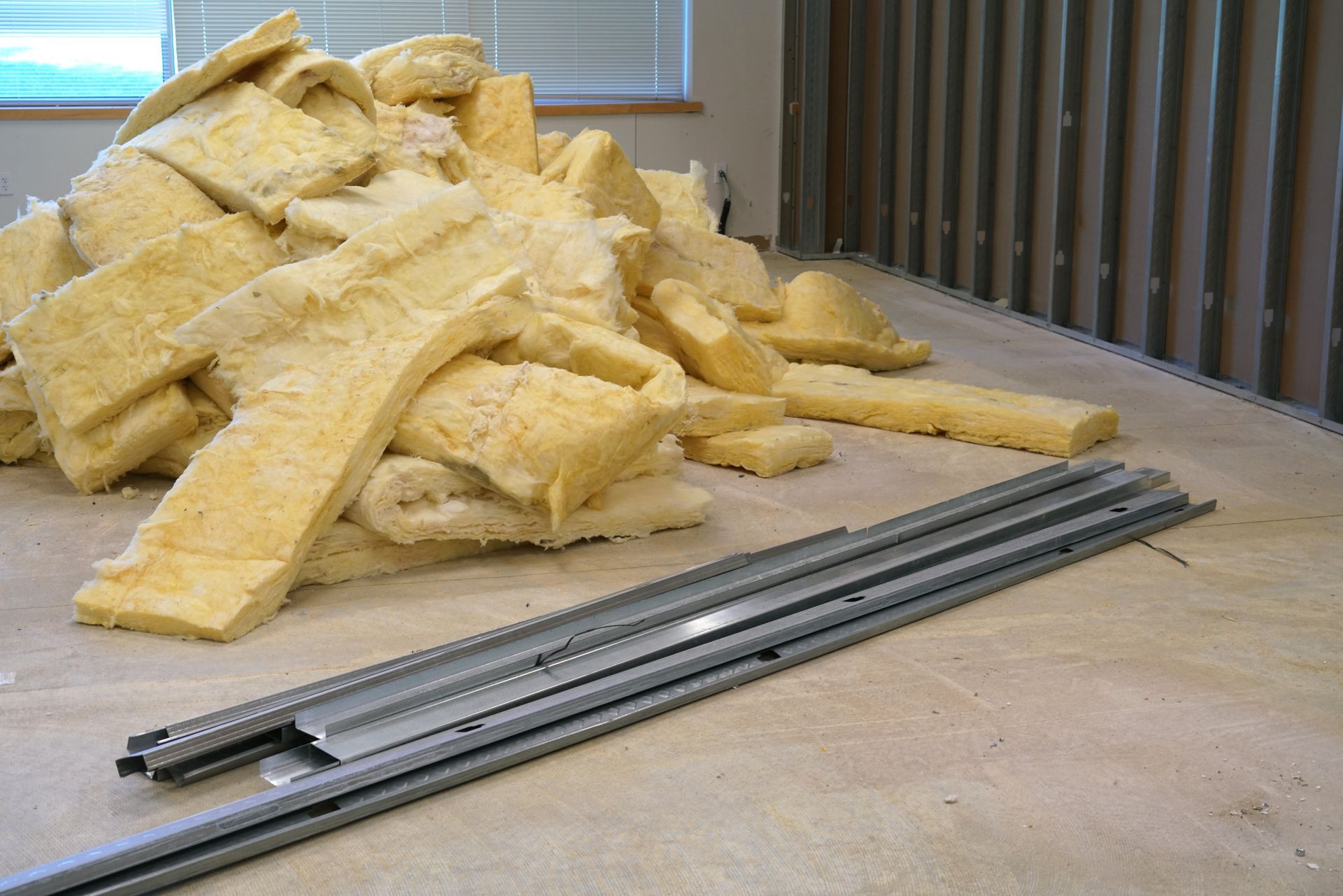
Minnesota's harsh weather creates conditions where roof leaks, ice dam damage, or ventilation failures allow moisture into attic insulation, leading to mold growth, material compression, and contamination that makes the existing insulation a liability rather than a thermal asset. Insulation removal using complete vacuuming equipment becomes necessary when you're addressing these compromised conditions, particularly during ceiling replacement or major renovation projects where construction access makes removal logistics simpler than working around intact ceilings. Gilbertson Spray Foam handles the thorough extraction of damaged fiberglass, cellulose, or deteriorated insulation that contractors recommend removing before fresh installation, serving residential and commercial properties in Tracy where older buildings often reveal insulation problems only after water intrusion events or when remodeling exposes what's been hidden above ceilings for decades.
The vacuuming process removes all contaminated material down to the attic floor or ceiling joists, capturing loose insulation in sealed containment systems that prevent airborne particles from spreading through the home during removal. This preparation creates the clean substrate needed for new insulation to perform as designed, eliminating the moisture-damaged layer that would otherwise compromise air quality and thermal performance regardless of what new material gets installed on top.
Schedule a property assessment to identify whether your existing insulation requires removal before new installation proceeds.
What Complete Removal Actually Accomplishes
Removal addresses contamination that new insulation layered over old material cannot fix, particularly when rodent activity has left droppings and urine throughout the existing insulation or when water damage has created conditions where mold spores and musty odors permeate the material. The vacuuming equipment extracts insulation completely rather than leaving compressed remnants that trap moisture and odors beneath the new thermal barrier. Proper removal equipment includes hoses large enough to handle blown insulation volume and filtration systems that prevent contaminated particles from escaping the collection system during the extraction process.
After removal completes, you'll see the bare attic floor or ceiling joists, confirming that contaminated material is gone and revealing any structural issues, wiring problems, or moisture sources that were hidden beneath the old insulation. The clean surface allows inspection of the building's actual condition before new insulation installation proceeds, which matters when you're investing in R50 or R40 new insulation that should perform effectively for decades without contamination issues reappearing.
The service works as part of ceiling replacement projects where drywall or plaster removal already provides access to attic spaces, making insulation extraction simpler than cutting new access openings just for removal purposes. This female-owned business maintains a reputation for complete, clean removal work that contractors recommend when projects require thorough preparation rather than shortcuts that leave contaminated material in place.
What Property Owners Usually Ask
Questions about insulation removal typically focus on whether removal is necessary versus adding new insulation over existing material, and what the process involves for homes with different contamination scenarios.
What conditions require complete insulation removal instead of additional insulation?
Removal becomes necessary when existing insulation shows rodent contamination with droppings throughout the material, water damage with visible mold growth, or compression so severe that the material no longer provides thermal resistance and traps moisture against the ceiling plane.
How does the vacuuming equipment contain contaminated material safely?
Industrial insulation vacuums use sealed collection systems with HEPA filtration that captures insulation and contaminants without releasing particles into the home's air, protecting indoor air quality during the removal process.
When does removal timing coordinate with other renovation work?
Removal works most efficiently during ceiling replacement projects when drywall or plaster is already open, providing direct access to insulation without requiring separate attic entry points and allowing debris removal through the same openings used for construction material disposal.
What happens to the removed insulation material?
Contaminated insulation is disposed of according to local regulations for construction waste, with material transported off-site in sealed containers that prevent spread of contaminants during handling and transport to approved disposal facilities.
How long does complete attic insulation removal take for typical Tracy homes?
Most residential attic removals require four to eight hours depending on attic size, insulation depth, and access limitations, with timing extending when removal includes cleanup of rodent debris or addressing moisture sources before new insulation installation can begin.
Gilbertson Spray Foam operates as an insured business with proper equipment for safe removal of contaminated insulation, serving properties across Southwest Minnesota where older homes and agricultural buildings often require thorough preparation before new insulation can deliver effective thermal performance. Arrange a removal consultation to discuss your project scope and receive detailed information about preparing your property for fresh insulation installation.