Attic Insulation That Stops Heat Loss
Fiberglass Attic Blow-In in Tracy for older homes where settling insulation creates energy loss during polar vortex conditions
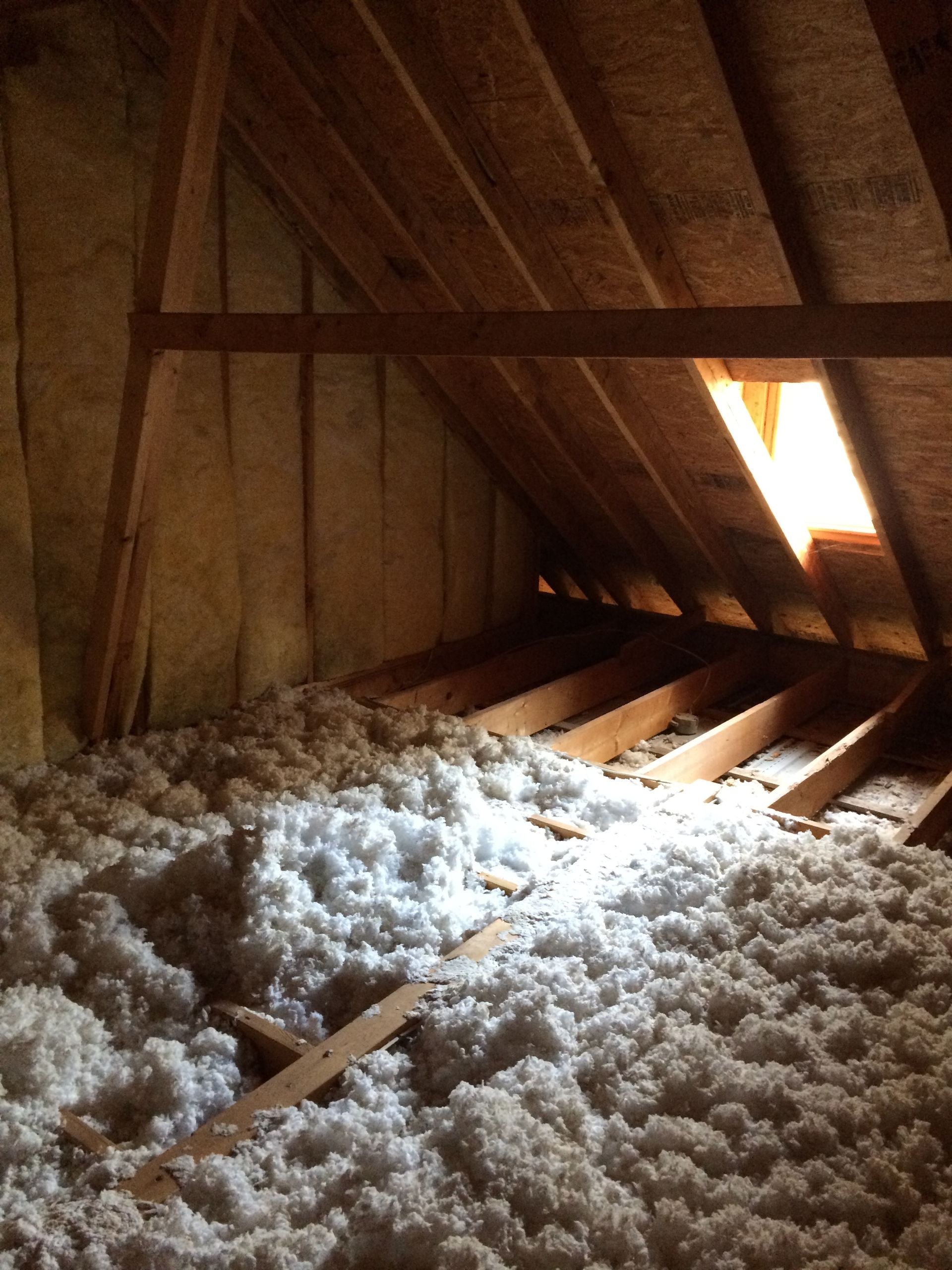
Older homes across Tracy often show attic insulation that has compressed to half its original thickness, leaving thermal gaps where heated air escapes through the roof deck during Minnesota winters when outdoor temperatures stay below zero for extended periods. Gilbertson Spray Foam installs blown fiberglass to R50 recommended values, restoring the thermal barrier that prevents furnace cycles from running continuously and reduces the ice dam formation that signals heat loss through inadequate ceiling insulation. The service includes optional removal of old insulation when contamination, moisture damage, or rodent activity has compromised the existing material beyond what new insulation layered on top can address.
Air sealing happens before any new insulation goes in, addressing the penetrations around plumbing stacks, electrical boxes, and attic hatches where air movement bypasses the insulation layer entirely. The blown fiberglass then fills the attic floor to the depth needed for R50 performance, conforming to irregular joist spacing and covering areas that batt insulation leaves exposed. Mobile equipment handles the installation from outside the home, minimizing disruption to interior spaces while the hose distributes insulation evenly across the attic floor.
Arrange an attic inspection to measure current insulation depth and identify air sealing needs before new insulation installation.
What Proper Attic Preparation Requires
Air sealing before insulation installation makes the difference between R50 insulation that performs as designed and R50 insulation that underperforms because air moves through unsealed penetrations. The preparation work identifies where ceiling drywall meets attic framing, where recessed lighting fixtures need insulation barriers, and where ductwork or wiring creates pathways for conditioned air to escape into the attic space. Sealing these gaps with appropriate materials prevents the stack effect that pulls warm air upward through the building envelope regardless of how much insulation sits on the attic floor.
After the fiberglass installation reaches R50 depth, you'll notice that second-floor ceilings stay warmer to the touch in winter and cooler in summer, indicating that the thermal barrier is preventing heat transfer through the roof assembly. The insulation settles minimally over time when installed at proper density, maintaining its loft and R-value without the compression that occurs with fiberglass batts subjected to attic temperature extremes. Ice dams become less frequent because roof deck temperatures stay closer to outdoor temperatures, reducing the freeze-thaw cycles that create ice buildup at eaves.
The work accounts for attic ventilation requirements, maintaining clearances at soffit vents so that airflow continues moving from eave to ridge and preventing insulation from blocking the ventilation pathways that remove moisture and heat from the attic space. Contractors across Southwest Minnesota trust this female-owned business for consistent installation work that addresses preparation steps other installers skip, particularly on older homes where previous insulation work left air sealing incomplete.
Common Questions About This Service
Homeowners in Tracy typically want to understand what the installation involves and how it addresses the specific energy loss patterns their older homes demonstrate during Minnesota's coldest months.
What does R50 insulation value mean for actual energy performance?
R50 represents the insulation's resistance to heat flow, requiring approximately 16 inches of blown fiberglass to achieve that value and providing the thermal barrier needed to keep attic temperatures separated from conditioned living spaces during temperature extremes that reach 70-degree differences between indoors and outdoors.
When should old insulation be removed instead of covered?
Removal becomes necessary when existing insulation shows water damage, rodent contamination, or mold growth that would trap moisture and odors beneath new insulation, preventing the fresh start needed for optimal performance and indoor air quality.
How does the mobile equipment work for residential installations?
The self-contained blowing machine stays on the truck or trailer outside your home, feeding insulation through hoses that reach into the attic access point and distribute material across the attic floor without requiring equipment to be carried through interior rooms.
What happens to attic storage space after insulation installation?
Insulation fills the joist bays to above joist height for R50 performance, which means walking surfaces or storage platforms need to be raised above the insulation level if you want to maintain attic storage access without compressing the thermal barrier.
How long does a typical attic insulation project take?
Most residential attics in the Tracy area require four to six hours for air sealing and insulation installation, with timing varying based on attic size, access limitations, and whether old insulation removal extends the project duration.
Gilbertson Spray Foam operates as an insured business serving residential and commercial properties across Southwest Minnesota, with mobile equipment and installation experience to handle projects from small ranch homes to larger two-story structures. Contact us to schedule an attic assessment and receive a detailed estimate that addresses your home's specific insulation and air sealing requirements.